Learning about INDIGO with Elin Noble was a delight at Honeychurch Antiques/ Tyee Arts and Outdoor Education Center.
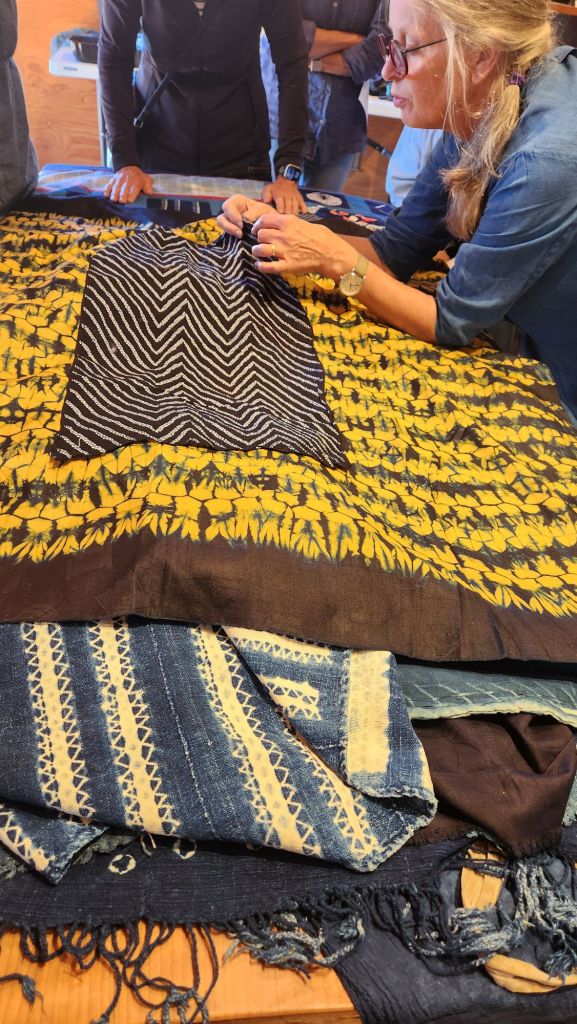
She gave us some background on the dye and we were shown pieces from around the globe… indigo and surface decoration takes many forms. Our focus was the dye method and creating patterns with knots, thread, blocks and clamps…
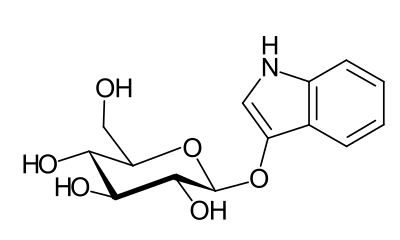
Several plants contain indigo, which, when exposed to an oxidizing source such as atmospheric oxygen, reacts to produce indigo dye. What we call INDIGO… Indican is a colourless organic compound, soluble in water, naturally occurring in Indigofera plants. Elin described this compound as large ‘elephant’ sized in relation to other dye colors, helping us to understand the resist and emersion process.
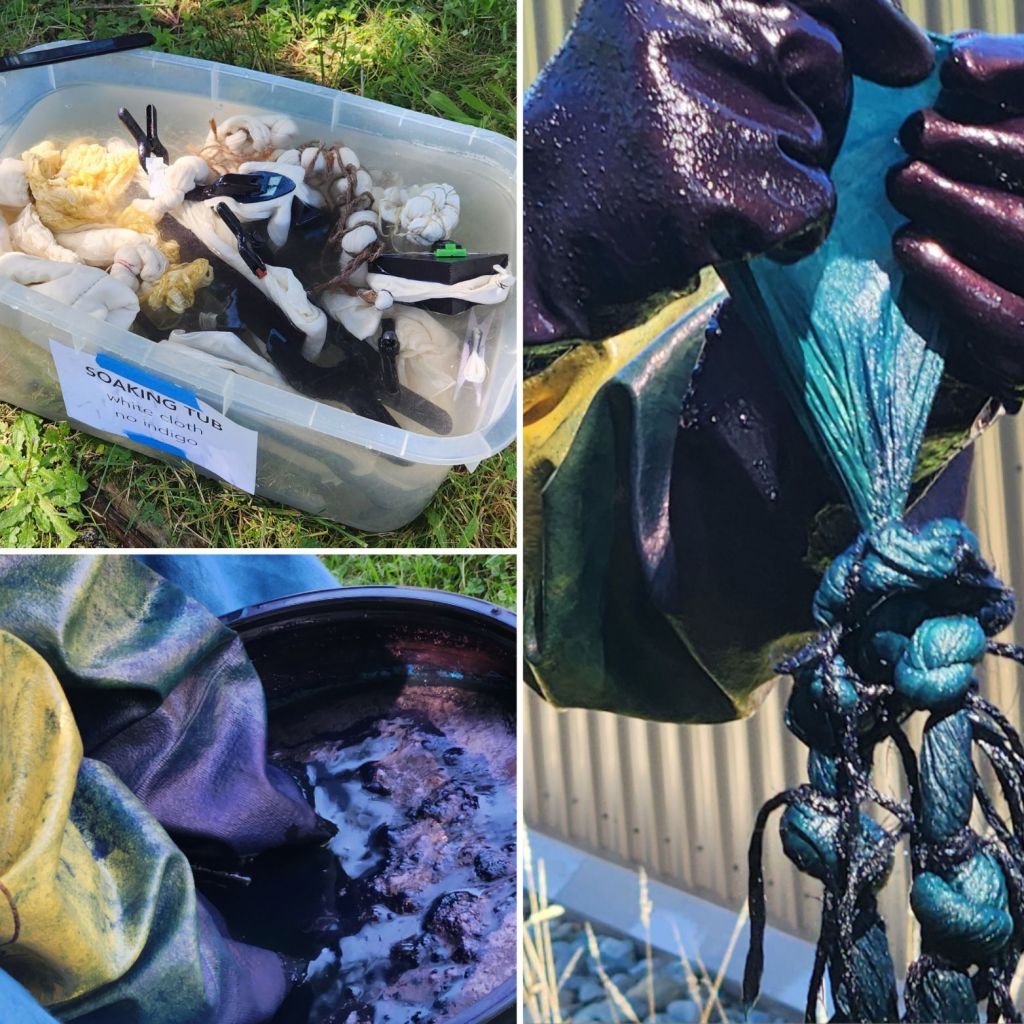
We worked on large (4’x7′) cotton ‘mul’ shawls and materials we brought to the class. After a couple hours of folding, knotting and contemplating our designs … results!
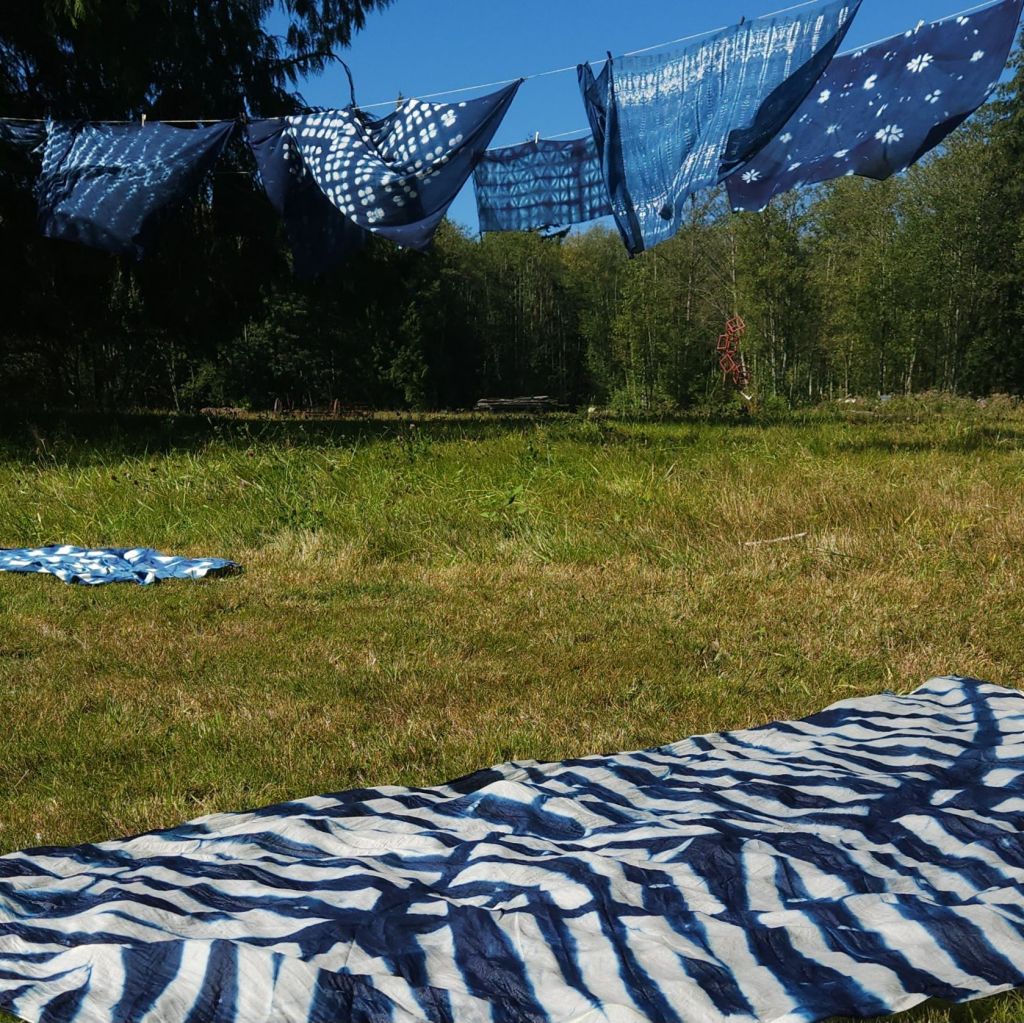
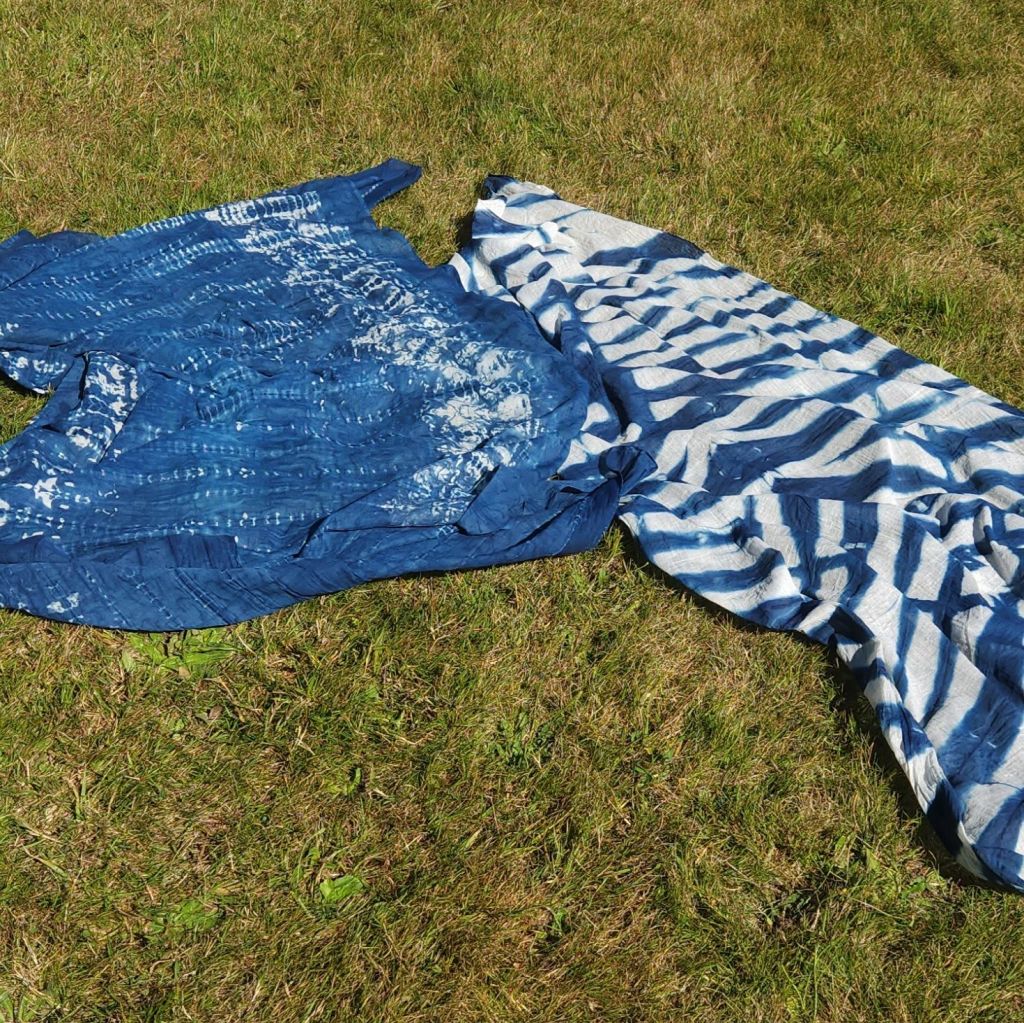
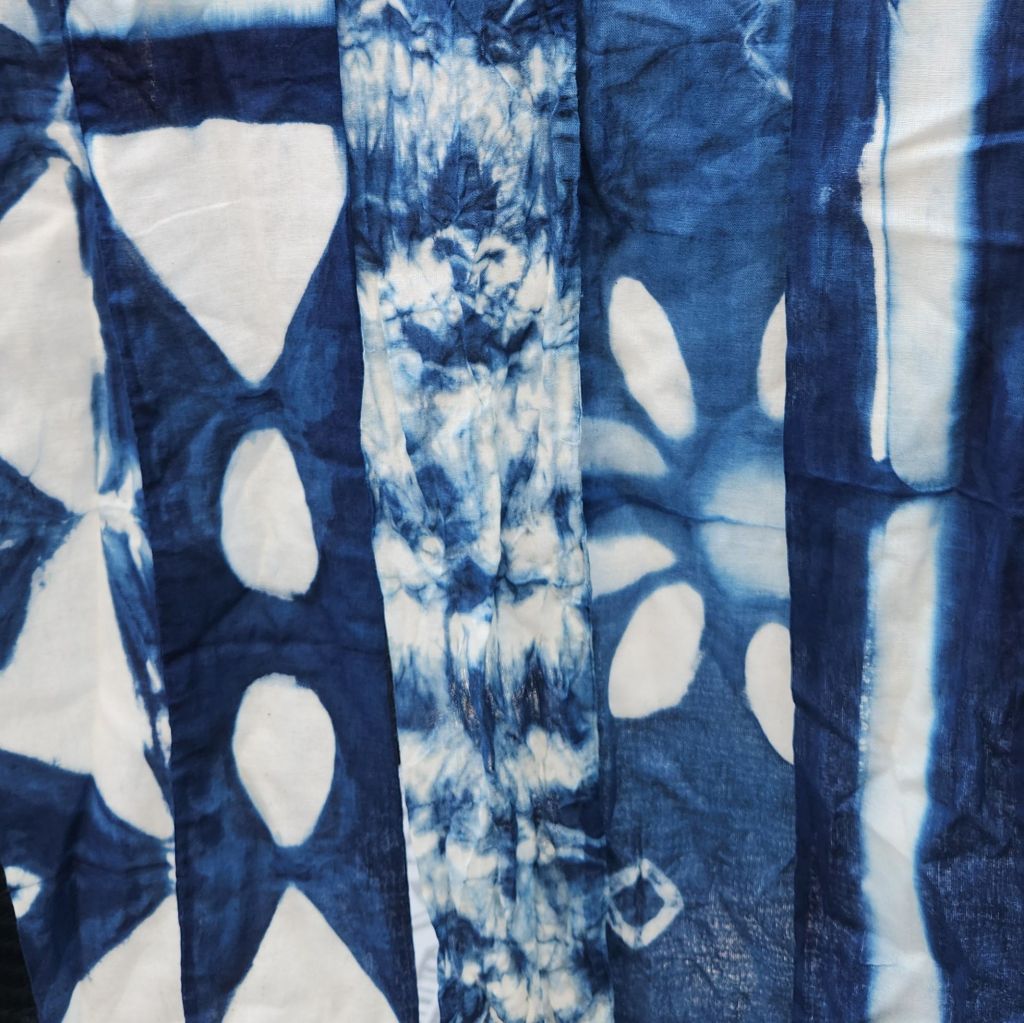
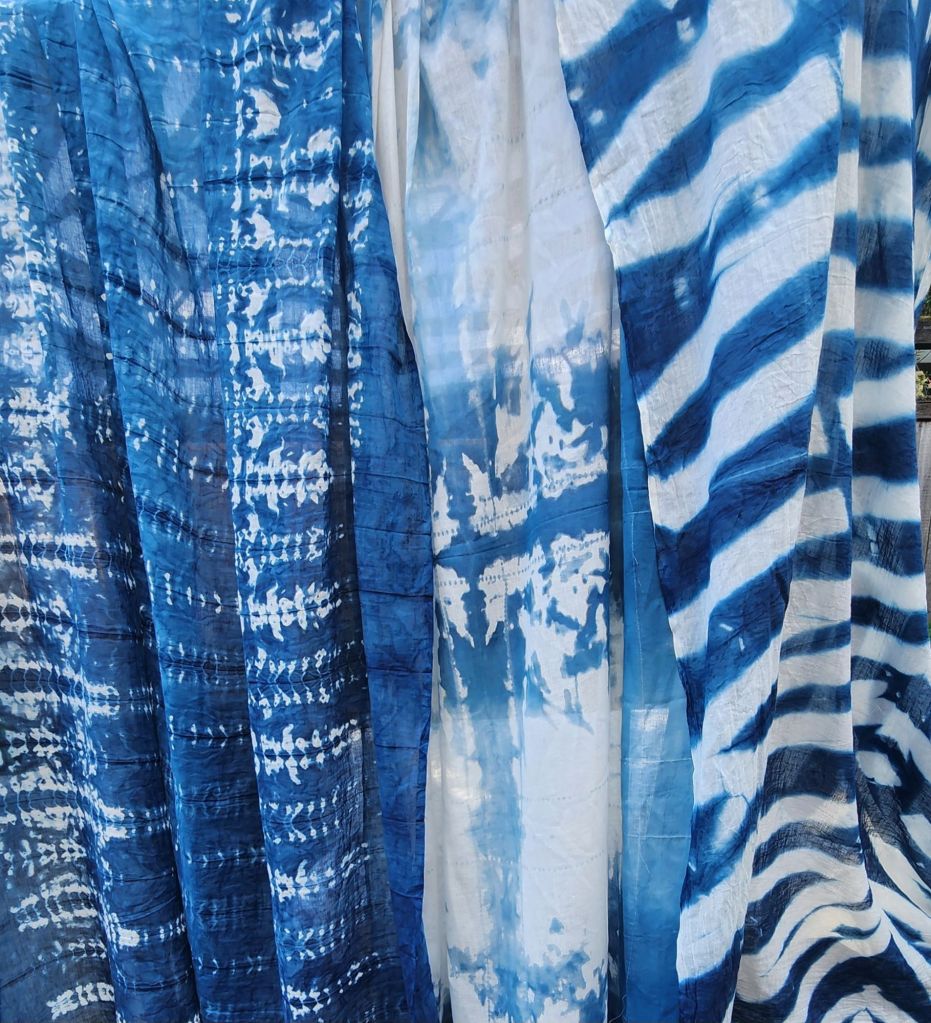
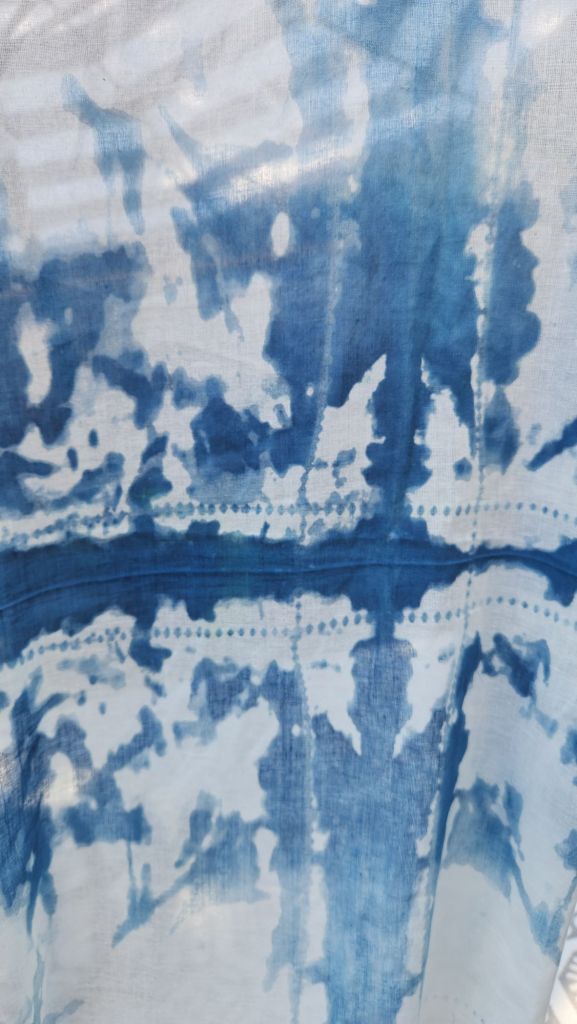
Some background on the dye. Many plants have the coloring compound in varying amounts. Most common are:
Indigofera
This tropical plant is the primary commercial source of indigo in Asia. The true indigo, or Indigofera tinctoria, is the most common species used in India.
Woad
Also known as Isatis tinctoria, this plant was the primary source of indigo dye in Europe before the late 15th century. Note: this is the ‘Provence Blue’ we know from textiles of southern France.
Japanese indigo
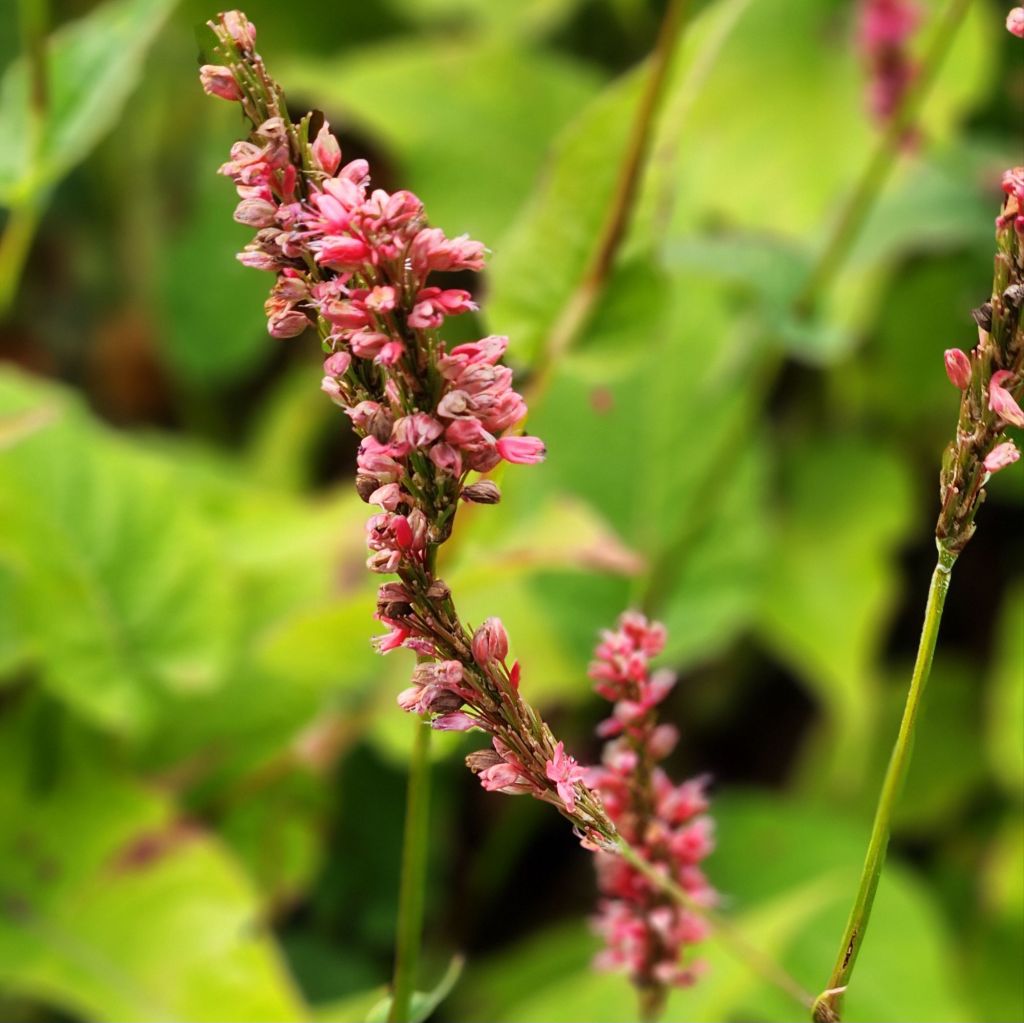
Also known as Persicaria tinctoria, a buckwheat plant is another source of indigo dye. This was a surprise to me since I have been growing this plant in my border garden for years!
 Own Your Encore
Leave a comment